
Nurturing Wellness with Nature: The Healing Power of the Great Outdoors
Imagine stepping into a world where the air is fresher, the scenery greener, and your mind clearer; this is the healing realm of nature-based retreats. In the hustle and bustle of modern life, the therapeutic effects of nature on our mental and emotional well-being have become more vital than ever. Nature provides a sanctuary from daily stresses, offering a serene environment that promotes mindfulness and relaxation. With wellness retreats often nestled in natural paradises, this guide will explore the symbiotic relationship between nature and mental health, introduce eco-therapy practices, and uncover the emotional benefits that nature immersion brings to those seeking a life of enriched wellness.
Our exploration will explore how nature reduces stress, alleviates depression and anxiety, and enhances mood and vitality. We will also discuss practical ways to incorporate eco-therapy into daily life, ensuring that the healing power of nature is accessible to everyone. By understanding and embracing these practices, we can foster a balanced, healthy life filled with emotional richness and mental clarity. Join us as we uncover the profound impact of nature on our well-being and discover how to integrate its benefits into our everyday lives.
Nature and Mental Health: The Symbiosis Between Nature and Mental Clarity
Understanding the profound connection between nature and mental health is crucial for fostering overall well-being. The symbiotic relationship between the natural environment and our psychological state demonstrates how vital it is to integrate nature into our lives. This section explores how nature helps reduce stress and alleviate symptoms of depression and anxiety, ultimately promoting a balanced and healthy mental state.
Stress Reduction and Nature
The calming effects of nature on our psyche are profound. Research shows significant reductions in stress biomarkers when individuals spend time in natural settings. This connection to nature helps lower cortisol levels, often elevated due to stress. The tranquility of nature encourages mindfulness and present-moment awareness, allowing individuals to detach from the fast-paced demands of modern life. Walking through a forest, sitting by a stream, or simply breathing fresh air can induce relaxation and calmness. Nature acts as a natural antidote to the chaos of daily life, helping to restore mental balance and reduce stress.
Impact on Depression and Anxiety
Contrasting the stimulating environment of urban settings, natural landscapes offer solitude and space for reflection, significantly impacting symptoms of depression and anxiety. The sensory experiences nature provides, such as birds chirping or the rustle of leaves, promote peace and well-being. Nature walks and time spent in green spaces have been linked to improved mood and reduced symptoms of anxiety and depression. These activities offer a respite from the overstimulation of city life, providing a serene environment for mental rejuvenation. The therapeutic presence of nature illustrates its capacity to heal and soothe the mind, fostering emotional resilience.
Eco-Therapy Practices: Healing Mind and Soul with Nature’s Touch
Eco-therapy, or nature therapy, is an innovative approach to improving mental health through direct interaction with the natural environment. By incorporating nature into therapeutic practices, individuals can experience significant improvements in their emotional and psychological well-being. This section delves into the various types of eco-therapy and practical ways to integrate these healing practices into daily life, making the benefits of nature accessible to everyone.
Types of Eco-Therapy
Eco-therapy encompasses a range of practices that utilize the healing power of nature. One prominent method is forest bathing, which involves immersive experiences in woodland environments. This practice encourages individuals to engage their senses fully and absorb the calming atmosphere of the forest. Another form of eco-therapy is horticultural therapy, where gardening activities are used to promote mental well-being. Animal-assisted therapy, which involves interactions with animals, also falls under eco-therapy. Each modality provides therapeutic benefits through direct interaction with the natural world, fostering a deep connection with nature and enhancing overall mental health.
Implementing Eco-Therapy in Daily Life
Integrating eco-therapy into daily life can be as simple as cultivating garden spaces at home, listening to nature sounds, or prioritizing regular outdoor activities. Creating a small garden can offer a hands-on way to connect with the earth and nurture living plants, which can be immensely rewarding. Listening to recorded nature sounds, such as birdsong or ocean waves, can provide a soothing backdrop for relaxation and stress reduction. Regular outdoor activities like hiking, walking in parks, or even having picnics can strengthen our connection to nature. These practices reinforce our intrinsic link to the natural world, promoting mental and emotional health through consistent interaction with nature.
Emotional Benefits of Nature: The Emotional Resonance of Nature’s Embrace
Immersing oneself in nature offers profound emotional benefits that contribute to overall well-being. The natural world’s inherent beauty and tranquility can uplift our spirits and provide peace. By engaging with nature, individuals can experience many positive emotions, from joy and awe to serenity and gratitude. This emotional resonance strengthens our mental health, creating a balanced and fulfilling life. Nature’s emotional benefits are immediate and enduring, fostering long-term happiness and contentment.
Enhancing Mood and Vitality
Exposure to natural light and awe-inspiring natural landscapes can significantly boost mood and vitality. Sunlight naturally increases serotonin levels in the brain, which helps to improve mood and energy. Nature’s diverse vistas—from lush forests to expansive oceans—stimulate awe and wonder. This emotional stimulation enhances overall well-being and reduces feelings of social isolation. Combining physical activity, fresh air, and beautiful scenery can invigorate the body and mind, promoting a sense of vitality and enthusiasm for life.
Connection and Belonging
Engaging with community gardens, interacting with wildlife, and participating in conservation efforts can foster a sense of connection and belonging. These activities provide opportunities for social interaction and community building, essential for emotional health. Working together on environmental projects can strengthen social bonds and create a sense of shared purpose. Interacting with wildlife through birdwatching or visiting nature reserves enhances our connection to the natural world. These experiences reinforce a collective identity centered around nature and its preservation, fostering a deep sense of belonging and community.
Integrating Nature for Holistic Psychological Well-being
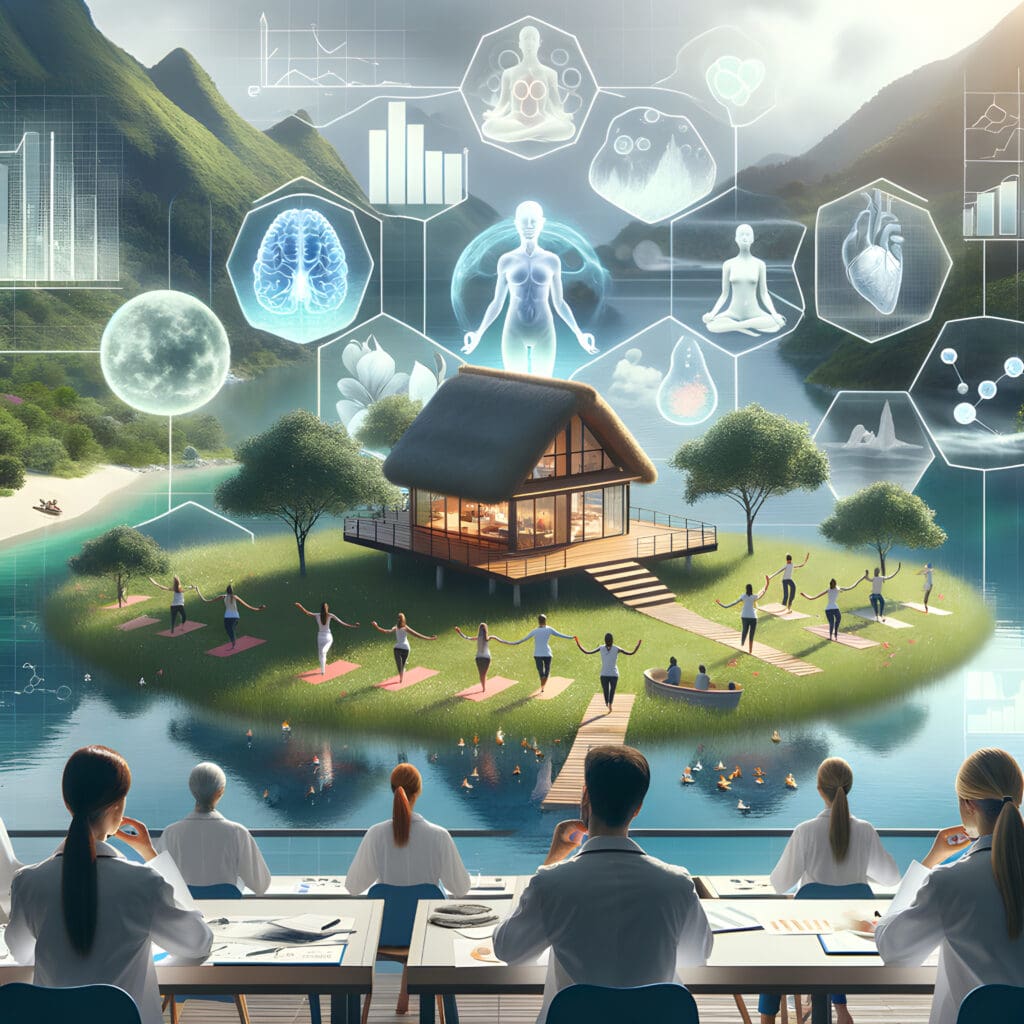
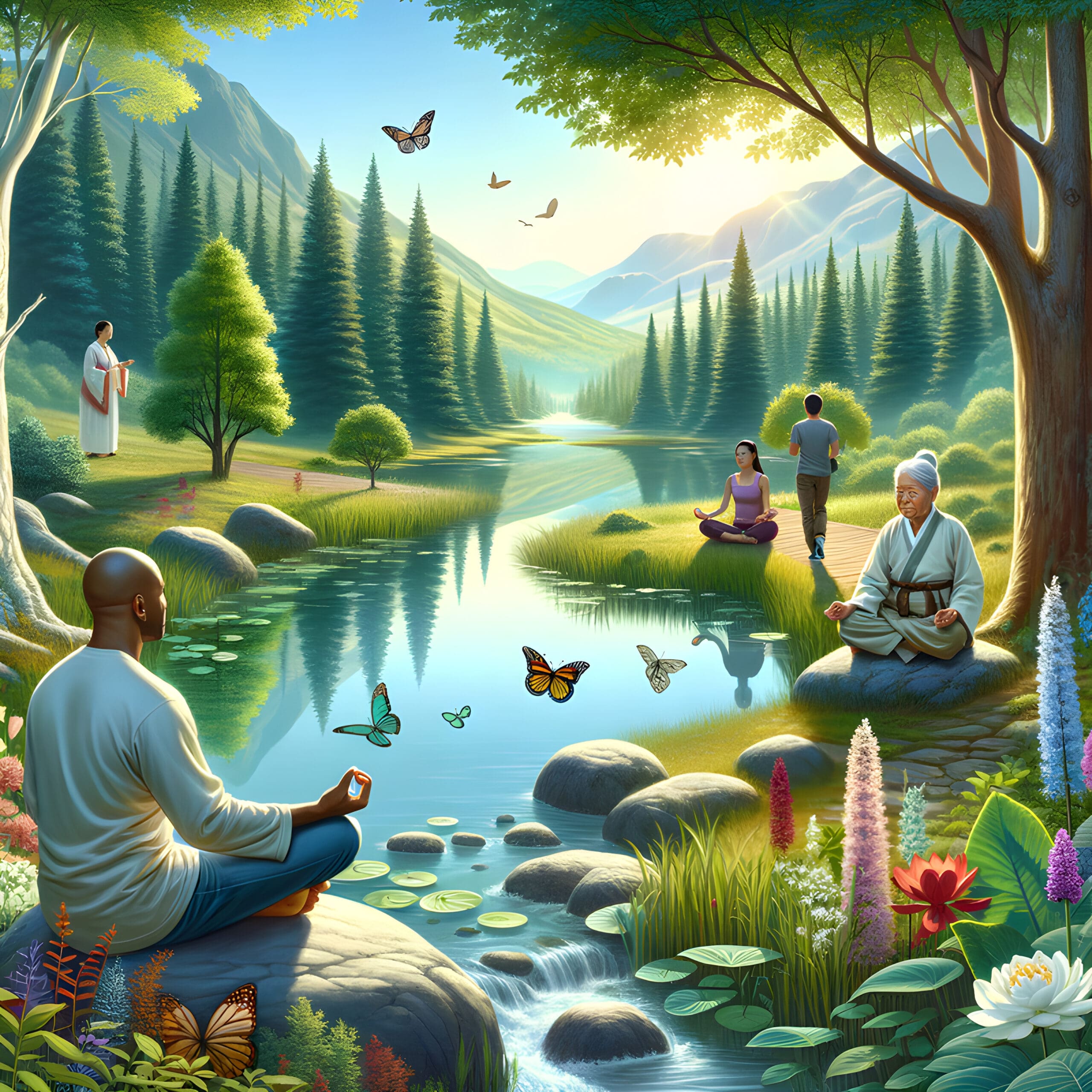
Integrating nature into our daily lives is essential for holistic psychological well-being. The intrinsic value of nature immersion for mental health and emotional wellness cannot be overstated. The serene experiences of those attending nature-based retreats vividly illustrate this benefit. Being surrounded by natural beauty and tranquility allows individuals to disconnect from the stresses of everyday life and reconnect with their inner selves. This connection fosters a sense of peace and mental clarity that is difficult to achieve in urban environments. Nature immersion helps to reset our mental state, promoting a balanced, healthy life filled with emotional richness.
The enduring role of natural environments in shaping our psychological landscape offers a compelling argument for integrating nature into our daily routines. Nature provides a space for reflection and relaxation, which is crucial for maintaining mental health. The sensory experiences nature offers, such as the sound of a flowing stream or the sight of a vibrant sunset, can soothe the mind and enhance emotional well-being. Regular interaction with natural environments helps to build resilience against stress and anxiety, ensuring long-term psychological health.
We can foster a balanced, healthy life by embracing nature as a backdrop for wellness retreats and a vital component of our daily psychological wellness. Wellness retreats set in natural settings allow for deep emotional and mental rejuvenation, providing a break from the fast-paced modern world. Incorporating nature into our daily lives can be as simple as walking in a park, gardening, or just sitting outside for a few minutes each day. These practices help maintain a connection with nature, promoting mental clarity and emotional richness. Embracing nature ensures we live a life filled with peace, joy, and overall well-being.
Conclusion: Embracing Nature for a Healthier Life
As we conclude, we are reminded of nature’s profound power to heal, inspire, and rejuvenate. The natural world offers a sanctuary from the stresses of modern life, inviting us to step outside, breathe deeply, and immerse ourselves in its restorative essence. By integrating nature into our daily routines, we can carry its peacefulness back into our lives, fostering a sense of tranquility and balance. This connection to nature enhances our mental and emotional well-being and strengthens our bond with the environment, promoting a life of holistic wellness.
Embracing nature as a core component of our well-being journey ensures that we nurture a life deeply connected to the world. The benefits of nature immersion—whether through wellness retreats, eco-therapy practices, or simple daily interactions—are enduring and transformative. They provide a foundation for mental clarity, emotional richness, and overall health. By prioritizing our relationship with nature, we create a legacy of health and harmony that can be passed down to future generations, ensuring that they, too, can experience the profound benefits of a nature-connected life.
Incorporating nature into our lives is not merely a wellness strategy but a pathway to a healthier, more fulfilling existence. It calls us to appreciate the beauty of the natural world and recognize its vital role in our mental and emotional health. Let us embrace the healing power of nature, allowing it to inspire and rejuvenate us daily. In doing so, we cultivate a wellness deeply rooted in the natural world and contribute to a legacy of environmental stewardship and holistic health for generations.