


The Holistic Harmony of Ayurveda in Wellness Retreats
Imagine a sanctuary where ancient healing wisdom enhances modern wellness, offering a path to balance and rejuvenation. With its holistic approach to health and wellness, Ayurveda provides a comprehensive pathway to healing deeply rooted in natural medicine and mindful practices. This exploration into Ayurveda retreats will delve into its foundational philosophy, diagnostic methods, treatment regimens, daily practices, and personalized healing approaches, offering a transformative self-healing journey.
In these retreats, participants are immersed in a healing environment where they undergo thorough dosha assessments, engage in customized therapeutic activities like Panchakarma, and learn to integrate essential Ayurvedic practices into daily life. This article will explore how Ayurveda synergizes with yoga and meditation, enhancing mindfulness and balance, and how it effectively incorporates modern health practices to address individual needs. By embracing Ayurveda, individuals embark on a path that not only heals but also harmonizes body, mind, and spirit, leading to profound wellness transformations and lasting inner peace.
The Foundational Wisdom of Ayurvedic Healing
Core Concepts of Ayurveda
At the heart of Ayurveda lies the belief in the five elements and the Tridosha theory, where health exists in the balance among Vata, Pitta, and Kapha. These foundational concepts date back over 5,000 years, originating in the ancient Vedic culture of India. This system of healing is
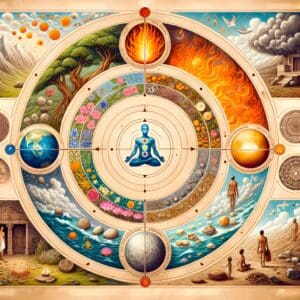
based on the premise that health is the balanced integration of environment, body, mind, and spirit.
Understanding one’s unique Prakriti (natural constitution) and Vikriti (current state of health) is essential for wellness. Each person’s Prakriti is determined at conception and relates to their most natural state. Vikriti, on the other hand, signifies the imbalances one might develop over time due to various factors like lifestyle and diet. Ayurveda teaches that health can be managed by aligning one’s lifestyle with Prakriti while addressing the Vikriti to reduce and eliminate health disorders.
Understanding Elemental Influence on Health
The five elements—earth, water, fire, air, and ether—combine in different forms to create biological forces or ‘doshas.’ These doshas, namely Vata (air and ether), Pitta (fire and water), and Kapha (water and earth), govern all biological, psychological, and physiopathological functions of body, mind, and consciousness. These elements influence each individual’s health and temperament in unique proportions.
In Ayurveda, an imbalance in these doshas is believed to be the root cause of disease. By understanding the unique proportions of these doshas within one’s body, practitioners of Ayurveda can tailor treatments that address individual health concerns—from diet and herbal remedies to yoga and meditation practices.
Practical Applications of Ayurvedic Principles
Applying these principles begins with a detailed diagnostic process involving pulse analysis, tongue diagnosis, and patient history, which helps determine the dominant dosha and the nature of any imbalance. Treatments may include a variety of methods, such as dietary adjustments, lifestyle changes, herbal remedies, and detoxification and rejuvenation therapies known as Panchakarma.
Moreover, Ayurveda emphasizes preventative care through daily and seasonal routines to maintain dosha balance and promote longevity. This may include specific dietary recommendations, sleep patterns, and exercise routines aligned with the universe’s natural rhythms and the individual’s dosha balance.
The Ayurvedic system seeks to empower individuals through self-awareness and self-care, offering a deep understanding of their body and its relation to the universe. The ultimate goal is to treat illness and maintain and enhance health and well-being through a harmonious balance of the body’s energies.
Identifying Personal Dosha Imbalances for Targeted Healing
The Process of Dosha Assessment
Identifying dosha imbalances is crucial for effective Ayurvedic treatment. Through a detailed assessment process, practitioners can tailor treatments that precisely address an individual’s constitution and the specific imbalances they are experiencing. This personalized approach ensures that each treatment plan optimally supports the individual’s path to health and wellness.
The assessment begins with thoroughly evaluating the individual’s long-term health patterns, lifestyle habits, and emotional temperament. This holistic view allows Ayurvedic practitioners to understand the root causes of imbalance and disease rather than just treating symptoms. By aligning treatments with the individual’s unique body constitution, or Prakriti, and their current state of imbalance, or Vikriti, Ayurveda facilitates natural healing and restores harmony within the body.
Diagnostic Techniques in Ayurveda
Ayurvedic diagnostics employ several traditional techniques to assess dosha imbalances. Pulse diagnosis, or Nadi Pariksha, is one of the most vital. By feeling the pulse, a skilled practitioner can glean insights into the state and balance of the doshas, providing critical data about bodily functions and health conditions.
Physical observation, another key diagnostic tool, involves examining the skin, eyes, tongue, and overall appearance, which can indicate the health of various internal systems and the presence of toxins. Patient interviews also play an essential role, where practitioners ask about dietary habits, sleep patterns, and emotional well-being to clarify the nature of any imbalance further.
Ayurvedic Therapies for Detoxification and Rejuvenation
Panchakarma Detoxification
Panchakarma, a cornerstone of Ayurvedic medicine, is designed to eliminate toxins from the body and restore vital balance. This sophisticated system of purification traditionally involves five therapeutic procedures: therapeutic vomiting (Vamana), purgation (Virechana), enemas (Basti), nasal cleansing (Nasya), and bloodletting (Rakta Moksha), though the last is rarely practiced today. These treatments are tailored to individual needs, based on their doshic imbalances, to ensure maximum effectiveness and safety.
Integrating nutrition and Ayurvedic massage with Panchakarma significantly enhances the therapy’s efficacy. Nutritional guidance during a Panchakarma retreat is meticulously designed to aid the detox process, with meals that are easy to digest yet nourishing, often incorporating spices that stimulate detoxification and improve digestion. Ayurvedic massage, using oils infused with herbs that suit the individual’s dosha, not only soothes the body but also helps mobilize toxins prepared for elimination.
Enhancing Therapies with Natural Remedies
Ayurveda’s use of herbal medicines, essential oils, and spices is deeply rooted in the principle of natural healing. Herbs are selected for their specific properties that balance the doshas and stimulate the body’s repair mechanisms. For example, turmeric and ginger are commonly used for their anti-inflammatory and digestive benefits, supporting the body’s natural response to inflammation and aiding digestion.
Essential oils also play a crucial role in enhancing well-being, with specific oils recommended for different doshic types. Peppermint oil, for instance, can be invigorating for Kapha types, while sandalwood oil is calming for Pitta individuals. The holistic use of these natural remedies supports the physical detoxification processes and promotes mental clarity and emotional balance, which is integral to Ayurvedic therapy.
Establishing Daily Routines for Sustained Well-being
Morning Practices for Vitality
Ayurvedic morning routines are meticulously crafted to kick-start the day with vitality and enthusiasm. These routines typically include waking up early, ideally during the ‘Brahma Muhurta’ (approximately 90 minutes before sunrise), when the world is said to be most calm and pure. Practices such as yoga, meditation, and Pranayama (breathing exercises) are recommended to energize the body and focus the mind. A

self-massage with warm oil, known as Abhyanga, followed by a warm bath, stimulates circulation and calms the nerves, setting a positive tone for the day.
On the other hand, evening routines focus on relaxation and self-reflection to wind down the day. Activities might include gentle yoga, meditation to clear the mind of daily stress, and practicing gratitude. These practices are designed to promote a restful sleep, which is
considered critical for the body’s healing and rejuvenation processes.
Integrating Seasonal Practices
Adapting daily routines according to seasonal changes is a fundamental aspect of Ayurveda, aiding in aligning the body’s internal rhythm with the natural world. Each season brings different environmental factors that can affect the body’s balance and health. In response, Ayurveda recommends seasonal diets, detoxification rituals such as Panchakarma during the change of seasons and adjustments in daily activities.
For example, during the hot summer months, a cooling diet and activities that conserve energy are recommended to balance the increase in Pitta dosha. In contrast, winter might require a more nourishing diet and vigorous activities to stoke the body’s inner heat and balance the Kapha dosha.
Complementing Ayurveda with Holistic Health Practices
Synergy with Yoga and Meditation
Integrating yoga and meditation with Ayurveda enhances mindfulness and supports dosha balance, creating a powerful trio for enhancing well-being. Yoga, a practice deeply intertwined with Ayurveda, uses physical postures, breathing exercises, and meditation to improve overall health. Meditation complements this by centering the mind and reducing stress, often a significant factor in dosha imbalances. Together, these practices help regulate the body’s energies and promote an inner sense of peace and stability, which is essential for holistic health.
Specific yoga poses can be recommended based on an individual’s dominant dosha, thereby personalizing the practice to maximize health benefits. For instance, calming poses like forward bends are beneficial for pacifying an aggravated Vata, while cooling poses like moon salutations help soothe excess Pitta.
Combining Modern and Traditional Approaches
Integrating Ayurveda with modern wellness techniques empowers individuals to manage stress effectively and maintain physical and mental health through a balanced approach. Incorporating Western medicine and psychology provides a comprehensive health management system that effectively addresses acute and chronic conditions. For example, combining Ayurvedic herbal treatments with modern pharmacology can enhance the therapeutic effects while minimizing side effects.
Furthermore, Ayurvedic principles of nutrition and digestion can be integrated with contemporary dietary science to tailor eating habits that suit individual health needs and modern lifestyles. This holistic approach ensures that all aspects of an individual’s well-being are addressed, making it a truly inclusive method to foster health and longevity.
Customizing Ayurveda for Individual Healing
Tailored Herbal Formulations
Personalized herbal formulations are a cornerstone of Ayurvedic treatment, specifically designed to address individual health issues and restore dosha balance. These formulations are crafted after a detailed assessment of the individual’s Prakriti (natural constitution) and Vikriti (current imbalance), ensuring they target the root of the health concerns rather than just symptoms. Herbs are selected based on their properties and effects on the body’s doshas to detoxify the body, strengthen the immune system, and provide rejuvenation.
Lifestyle Modification for Long-term Benefits
Ayurveda emphasizes that true health is a balance of body, mind, and spirit, and achieving this requires more than just medication. Guidance on diet, exercise, and mindfulness practices are tailored to enhance the individual’s journey towards optimal health. Dietary recommendations are made based on doshic imbalances and digestive capabilities, encouraging the consumption of foods that are naturally conducive to an individual’s constitution. Exercise routines are also personalized, ranging from gentle forms like yoga and walking to more vigorous activities, depending on one’s energy level and physical capacity. Mindfulness practices such as meditation and breathing exercises are suggested to improve mental clarity and emotional stability, forming a holistic approach to health that aims for long-term wellness and vitality.
The Path to Wholeness: Ayurveda’s Role in Self-Healing
Retreats as Sanctuaries of Healing: Ayurveda retreats offer a sanctuary for those seeking healing and balance. The serene setting, often nestled in nature, serves as the perfect backdrop for delving deep into the ancient wisdom of Ayurveda. Participants are immersed in a healing environment that fosters both physical and spiritual growth, enabling profound transformations.
Comprehensive Enhancement of Life: The principles and practices of Ayurvedic healing are not merely about treating ailments but are
 geared towards a comprehensive enhancement of life. Through a combination of therapies such as Panchakarma, yoga, and meditation alongside dietary adjustments and lifestyle counseling, these retreats help individuals reset their health. Panchakarma, for instance, is a series of five treatments designed to deeply detoxify the body and restore its innate balance with nature.
Personalized Ayurvedic Care: Participants at Ayurveda retreats experience personalized care, where treatments are tailored to address
their specific health issues and promote self-healing. The process begins with a detailed consultation to understand each individual’s unique dosha (bio-energy) configuration, which guides the customization of their treatment plan. This plan includes a mix of treatments, dietary advice, and lifestyle modifications to correct imbalances and enhance energy flow within the body.
Educational Aspect of Retreats: Moreover, the learning aspect of these retreats is vital. Participants are educated about the principles of Ayurveda and how to incorporate them into daily life. This knowledge empowers them to make informed health choices and maintain the balance and wellness achieved during the retreat. Workshops on cooking, herbal medicine, and daily routines offer practical skills that participants can take home, turning Ayurveda into a lifelong philosophy rather than a temporary solution.
Harmonizing Life through Ayurveda: Ultimately, embracing Ayurveda as a holistic approach harmonizes all aspects of life, leading to lasting health and inner peace. The journey through Ayurveda is one of continuous discovery and adaptation, helping individuals heal physically and find mental clarity and spiritual alignment. The impact of these retreats extends beyond immediate health improvements to foster a deep, enduring connection to one’s wellness, laying the foundation for a balanced and fulfilled life.
Conclusion
This comprehensive exploration of Ayurveda within wellness retreats reveals a potent pathway to health and vitality. The serene environments of these retreats and the ancient wisdom of Ayurvedic medicine provide a unique setting where individuals can deeply connect with their inner selves, embracing a physical, emotional, and spiritual healing journey.
Integrating Ayurvedic practices into daily life does more than address immediate health concerns; it offers a blueprint for holistic health that is sustainable and adaptable. Through personalized treatments, dietary guidelines, and lifestyle adjustments, Ayurveda empowers individuals to take control of their health and cultivate habits that foster long-term well-being.
Moreover, the principles learned at these retreats resonate beyond the duration of the stay, influencing participants’ lives well into the future. By embracing Ayurveda as a lifestyle, individuals initiate a profoundly transformative journey toward wellness, marked by a harmonious balance between the mind, body, and spirit. The practice of Ayurveda, therefore, is not just about healing the body but also about enriching the soul and enhancing one’s overall quality of life.
In conclusion, Ayurveda offers a timeless wisdom that is more relevant today than ever. As modern life grows increasingly hectic and disconnected from nature, Ayurveda’s holistic approach provides the tools to restore balance and harmony. Participants of Ayurveda wellness retreats leave with renewed health and an enhanced understanding of how to maintain and build upon this foundation, paving the way for a healthier, more fulfilled life.