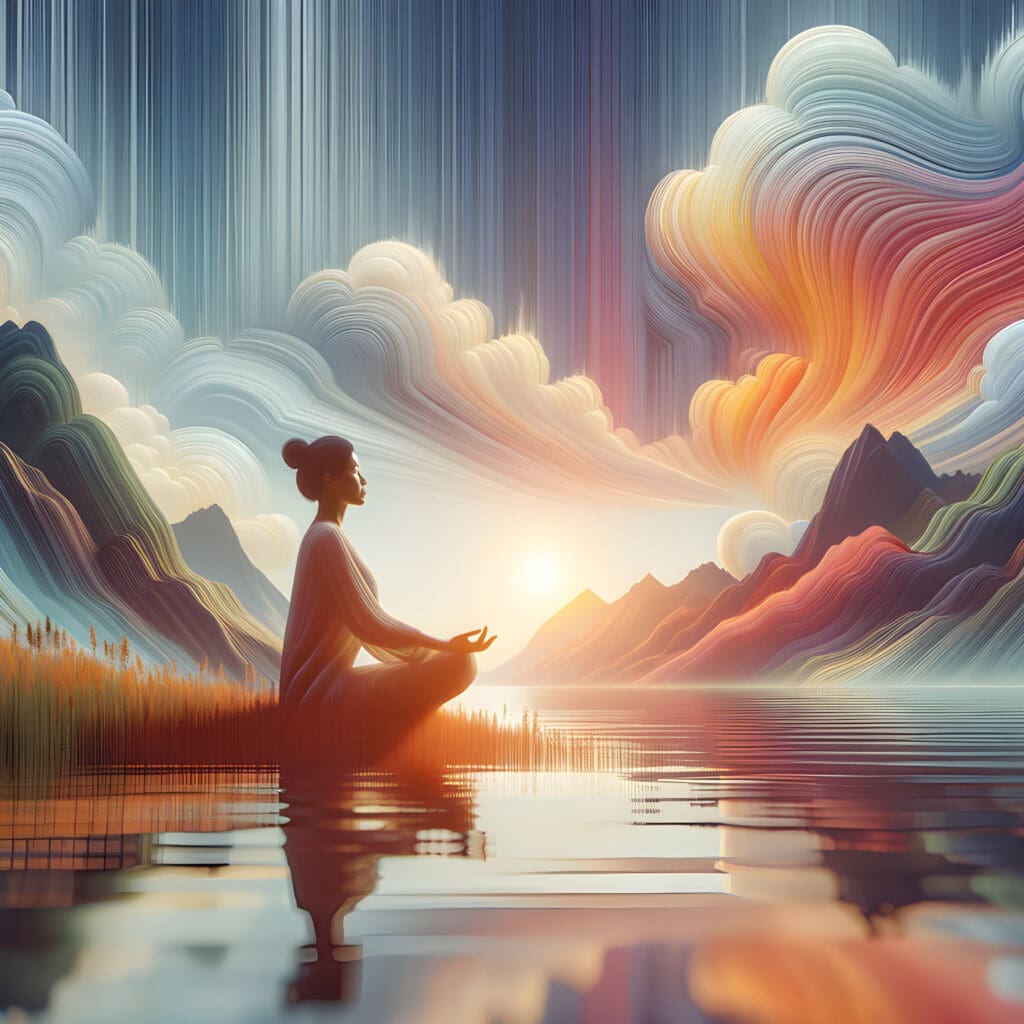


Have you ever imagined a getaway that refreshes your body and renews your mind and soul? Wellness retreats offer a transformative journey that guides you toward personal growth and healing. Picture a serene setting where the hustle of daily life fades away, allowing you to focus solely on your well-being. Through a blend of mindfulness practices, physical activities, and spiritual exploration, these retreats provide a unique opportunity to reconnect with yourself profoundly.
Tracing the Roots of Wellness Retreats
The concept of wellness retreats is deeply rooted in ancient traditions of healing and spirituality from across the globe. From the Ayurvedic practices of India to the sweat lodges of Native American cultures and the meditation retreats found in Buddhist traditions, these sacred spaces have long served as sanctuaries for those seeking inner peace and health. Over time, these retreats have evolved, integrating modern holistic approaches encompassing psychology, fitness, and nutritional science, broadening their appeal and accessibility.
In recent years, we’ve seen a surge in the popularity of wellness retreats, with trends leaning towards digital detoxes, eco-therapy, and personalized wellness experiences. These modern adaptations make the ancient concept of retreats more relevant and accessible, allowing individuals from all walks of life to embark on their personal healing journeys. From luxury resorts to minimalist ashrams, wellness retreats are now a global phenomenon, offering diverse experiences that cater to every need and desire.
The Purpose of This Guide
This article is your comprehensive guide to unlocking the transformative power of wellness retreats. Whether you’re seeking to enhance your physical, mental, or spiritual well-being, this guide will walk you through selecting the right retreat, preparing for your journey, fully engaging in the experience, and integrating the insights and practices into your daily life for lasting change. Join us on this journey to explore how wellness retreats can be pivotal in your path toward self-discovery and holistic health.
An Overview of Transformative Retreat Types
The Variety of Wellness Retreats
Wellness retreats offer a sanctuary for those seeking a respite from the complexities of daily life, providing paths to physical, mental, and spiritual rejuvenation. Each type of retreat caters to different aspects of well-being, allowing individuals to choose an experience that resonates with their personal growth and healing goals.
- Yoga Retreats: These retreats enhance flexibility, strength, and mental clarity through physical postures, breathwork, and meditation. Popular destinations like Bali and Costa Rica offer serene environments perfect for deepening your yoga practice and connecting with nature.
- Meditation Retreats: Focused on fostering inner peace and mental clarity, meditation retreats utilize techniques such as Vipassana and mindfulness. Immersive experiences in Thailand and Nepal provide the ideal backdrop for profound meditation practice.
- Detox Retreats: Aimed at purifying the body, detox retreats use special diets, fasting, and wellness therapies to cleanse the system of toxins. Destinations such as California and the Swiss Alps are renowned for their effective detox programs.
- Adventure Retreats: These retreats combine wellness activities with outdoor adventures like hiking, kayaking, or rock climbing to enhance physical health and foster a connection with nature. Explore the wilderness in places like New Zealand or the Rocky Mountains for an exhilarating experience.
- Spiritual Retreats: Focusing on spiritual growth and connection, these retreats incorporate chanting, prayer, and sacred ceremonies. Seek spiritual enlightenment in powerful locations like India, Japan, or Sedona, Arizona.
- Holistic Wellness Retreats: Offering a comprehensive approach to well-being, these retreats blend fitness, nutrition, mental health, and spirituality. The Blue Mountains in Australia or the French Riviera provide stunning settings for a holistic wellness journey.
Transformative Advantages for Mind, Body, and Spirit
Wellness retreats offer more than a temporary escape from daily life; they provide many benefits that can lead to profound transformations in one’s health and outlook.
- Enhanced Mental Health: The peaceful environment of a retreat allows for a break from the stresses of daily life, leading to improved mood, reduced anxiety, and more excellent emotional stability.
- Physical Rejuvenation: Yoga, hiking, and spa treatments improve physical health, enhance energy levels, and aid detoxification.
- Emotional Resilience: The supportive environment of a retreat, coupled with practices like journaling or therapy sessions, helps build emotional strength and develop coping skills.
- Spiritual Awakening: Retreats offer the opportunity for personal reflection, the chance to connect with a higher power, or gain profound insights into one’s life purpose, fostering a sense of spiritual awakening.
- Connection with Nature: Being in natural settings during a retreat fosters a deep connection to the earth, promoting relaxation and heightening environmental awareness.
Embarking on a wellness retreat provides an invaluable opportunity to pause, reflect, and engage in practices that foster holistic well-being. Whether you’re drawn to the physical challenge of a yoga retreat, the mental clarity provided by meditation, or the comprehensive, holistic wellness approach, there’s a retreat designed to support your journey toward growth and healing.
Crafting Your Ideal Retreat Experience
Aligning Retreat Themes with Personal Goals
Choosing the right wellness retreat begins with aligning the retreat’s focus with your wellness objectives. Whether your goal is stress reduction, enhancing physical fitness, or embarking on a spiritual journey, selecting a retreat that matches your needs is crucial for a fulfilling experience. Imagine finding peace and mental clarity through a meditation retreat in the serene landscapes of India or pursuing physical health and vitality at a yoga retreat nestled in the lush surroundings of Bali. These case studies exemplify how aligning the retreat’s theme with your personal goals can lead to a successful and transformative experience.
The Impact of Location and Environment
The setting of a wellness retreat plays a pivotal role in enhancing your overall experience. Choosing between a tranquil beach, a serene mountain retreat or a secluded forest hideaway can significantly affect your ability to connect with yourself and nature. Consider the calming effect of Florida’s tranquil beaches or the profound peace in the Vietnam countryside, which offers an idyllic backdrop for mindfulness practices. Similarly, the diverse landscapes of California and the spiritual allure of Sri Lanka are popular for their unique contributions to the wellness journey, proving that the right environment can significantly enhance the healing and growth process.
Duration and Depth: Finding the Perfect Balance
The length of the retreat is another crucial aspect to consider. Wellness retreats can vary from a rejuvenating weekend getaway to an immersive several-week journey. The ideal duration should align with your availability, desired depth of experience, and the program’s intensity. Choosing a length that complements your lifestyle and wellness journey is important, ensuring you have enough time to fully engage with the retreat’s offerings and achieve your growth objectives.
Activities and Offerings: Embracing a Holistic Approach
The variety of activities available at wellness retreats is vast, ranging from yoga and meditation to nature hikes and nutritional workshops. Opting for a retreat that offers diverse activities is critical to catering to holistic wellness—addressing physical, mental, and spiritual needs. Including diverse experiences, such as creative arts workshops or adventure sports, enriches the retreat experience and caters to a broad spectrum of interests and wellness objectives. This diversity ensures that there is something for everyone, allowing participants to explore new practices and discover what truly resonates with their journey toward well-being.
Essential Tips for Body and Mind Preparation
Integrating Mindfulness Practices
Embarking on a wellness retreat begins with preparing your mind and body for the transformative experience ahead. Incorporating mindfulness practices into your daily routine is a crucial step. Start each day with five minutes of meditation to cultivate a sense of calm and focus. Engage in mindful eating at least once a day, fully savoring the flavors and textures of your food, and consider taking short mindful walks, immersing yourself in the surrounding sounds and sights. These simple yet powerful practices enhance your presence, awareness, and receptivity, setting the foundation for a profoundly enriching retreat experience.
Making Dietary Adjustments
Preparing your body for the retreat also involves making thoughtful adjustments to your diet. To align your eating habits with the retreat’s dietary approach—be it plant-based, detox, or Ayurvedic—begin by introducing more whole foods into your meals and reducing the intake of processed foods, caffeine, and sugar at least two weeks before your departure. Consider incorporating sample meal plans that reflect the retreat’s nutritional philosophy to ease the transition and optimize your body’s readiness for the holistic experience awaiting you.
Customized Preparation Plans for Different Retreat Types
Yoga Retreats: Strengthening Body and Mind
For those attending yoga retreats, enhance your practice by integrating specific poses and meditation techniques that may be emphasized during your stay. Begin with preparatory exercises to improve flexibility and strength and include daily meditation sessions to develop mental focus. Familiarize yourself with various asanas, from beginner to advanced levels, ensuring a smooth transition into the retreat’s yoga practices.
Meditation Retreats: Cultivating Focus and Peace
Prepare for meditation retreats by establishing a routine of short, daily meditation sessions, gradually extending their duration as the retreat approaches. Explore different meditation forms, such as focused attention, mindfulness, or loving-kindness, to discover the techniques that resonate most with your needs, enhancing your capacity for mental peace and focus.
Adventure Retreats: Building Physical and Mental Fortitude
If your retreat involves physical challenges, begin a regimen that includes cardiovascular training, strength exercises, and flexibility work well in advance. This physical preparation and mental techniques like visualization and goal-setting will build the resilience and readiness required to fully engage with and enjoy the adventure activities, ensuring a rewarding and stimulating retreat experience.
Embracing the Journey with Mindful Participation
Strategies for Digital Detox and Mindfulness
In today’s always-connected world, attending a wellness retreat presents a valuable opportunity to disconnect from digital distractions and reconnect with your inner self. Before and during your retreat, make a conscious effort to limit screen time and designate specific periods for technology use, if necessary. Consider committing to digital detox days, where you completely abstain from using electronic devices. Enhance your presence and mindfulness through practices like conscious breathing exercises or sensory walks, focusing your attention on the immediate sensations and experiences. These strategies are not just about reducing screen time but about fostering a mental state fully immersed in the retreat’s environment and activities, allowing for a deeper connection and more meaningful experience.
Active Participation: The Key to Transformation
The essence of a wellness retreat lies in the willingness to embrace new and possibly challenging experiences. Step out of your comfort zone and engage in new activities, whether a silent meditation day, an intense physical challenge, or participating in a deeply moving cultural ceremony. These experiences are often the catalysts for significant personal growth and discovery. Drawing inspiration from past attendees who have undergone transformative journeys can motivate you to engage with every aspect of the retreat fully. Remember, the most profound changes often come from confronting the unfamiliar and embracing the trip with an open heart and mind.
Deepening Your Engagement Through Journaling and Reflection
A powerful tool for enhancing your retreat experience is maintaining a daily journal. Use it to document your thoughts, feelings, and the insights you gain each day. Incorporate prompts encouraging introspection and reflection, such as “What did I learn about myself today?” or “How can I apply today’s lessons to my daily life?” Allocating dedicated time for journaling, perhaps during quiet moments at sunrise or sunset, can significantly enrich your experience. Additionally, engage in mindful reflection practices like meditative walks or sitting quietly in nature to process and integrate the day’s experiences fully. These reflective practices are essential for internalizing the lessons learned and facilitating a deeper connection with your inner self, ensuring that the retreat’s benefits extend beyond its duration.
Cultivating Balance and Meaningful Relationships During Your Retreat
Finding the Right Balance: Structured vs. Free Time
A key aspect of maximizing your retreat experience is balancing participating in group activities and taking time for personal reflection. Group sessions foster a sense of community and shared experience, which is vital for feeling connected and supported. However, reserving moments for solitude, such as early mornings or late evenings, is equally important to process and internalize the retreat’s benefits. Retreat schedules typically offer free time specifically for this purpose. Attendees are encouraged to consciously select activities that resonate with their goals and needs, ensuring a harmonious blend of community engagement and self-reflection.
Embracing Openness and Setting Boundaries
Openness to New Relationships
Approaching interactions with openness and vulnerability during the retreat can pave the way for deeper connections with fellow attendees. Sharing personal stories and experiences in group discussions or activities can foster meaningful relationships based on mutual understanding and support. The retreat environment should be one where empathy and active listening prevail, allowing everyone to express themselves freely and safely. This openness is not about oversharing but about being genuine and receptive, which can significantly enhance the sense of community and belonging.
Establishing Personal Boundaries
While fostering connections is essential, maintaining personal space and practicing self-care is equally important for a balanced retreat experience. It’s okay to politely decline participation in group activities or social gatherings when you feel the need for solitude or if they don’t align with your objectives. Establishing and communicating your boundaries helps ensure your wellness journey remains fulfilling and stress-free. Respecting others’ boundaries is also crucial, creating an atmosphere of mutual respect and care. This balance between connecting with others and honoring your personal space and well-being is critical to a rewarding retreat experience, allowing you to return home rejuvenated and enriched by your journey’s communal and solitary aspects.
Delving into the Diversity of Wellness Practices
The Holistic Benefits of Yoga
Yoga is a cornerstone of wellness retreats, offering a multifaceted approach to well-being that encompasses physical, mental, and spiritual dimensions. Its benefits range from improved flexibility and stress reduction to an enhanced connection between mind and body. Retreats often feature a variety of yoga styles, such as Hatha, Vinyasa, and Kundalini, each catering to different skill levels and personal preferences. This diversity allows participants to explore various practices and discover the style that resonates most deeply with their wellness journey.
Meditation: A Path to Mental Clarity and Emotional Balance
Meditation techniques, including mindfulness, loving-kindness, and guided visualizations, are integral to the retreat experience. These practices are valued for their ability to foster mental clarity, emotional balance, and a profound sense of inner peace. By exploring different meditation methods, attendees can deepen their understanding of the mind, cultivate compassion, and achieve a state of calmness and centeredness amidst life’s turbulence.
Breathwork: Enhancing Physical and Emotional Well-being
Breathwork practices, such as Pranayama or the Wim Hof Method, offer powerful tools for regulating the nervous system, improving respiratory health, and elevating emotional wellness. These techniques demonstrate the significant impact of controlled breathing on overall health, emphasizing the deep connection between breath, mind, and body.
Eco-Therapy: Connecting with Nature for Healing
The immersive nature experience, through activities like guided nature walks, gardening, and wildlife spotting, plays a crucial role in wellness retreats. Eco-therapy underscores the therapeutic benefits of connecting with the natural world, promoting wellness and rejuvenation by fostering a harmonious relationship with the environment.
Embracing Innovative Wellness Practices
Sound Healing: Vibrations for Deep Relaxation
Sound healing utilizes the therapeutic vibrations of gongs, singing bowls, and other instruments to promote relaxation and healing. This practice can induce deep meditation, helping to release energetic blockages and facilitate a state of harmony and balance within the body and mind.
Art Therapy: Creative Expression for Emotional Wellness
Art therapy offers a unique avenue for emotional release and self-discovery through painting, sculpting, or drawing. It provides a non-verbal mode of exploring feelings and experiences, facilitating stress relief and personal insight through creative expression.
Forest Bathing: The Therapeutic Power of the Forest
The Japanese practice of Shinrin-yoku, or forest bathing, highlights the stress-reducing and mood-enhancing benefits of mindful engagement with forest environments. This practice supports immune system health and promotes a deep, restorative connection with nature, emphasizing the healing power of simply being in the presence of trees.
Cultivating Openness to New Practices
Experimentation and Personal Growth
Approaching new wellness practices with curiosity and an open mind is essential for personal growth and exploration. Engaging in introductory sessions, posing questions, and reflecting on your reactions to each practice can enrich your retreat experience. Embrace each new activity as an opportunity for learning and self-discovery without preconceived expectations.
Embracing the Unfamiliar with a Non-Judgmental Attitude
Adopting a non-judgmental attitude towards both the practices and yourself encourages a genuine exploration of wellness. Viewing unfamiliar experiences as opportunities for discovery can lead to unexpected insights and transformations. Documenting your journey through journaling or sharing your experiences with others can be a powerful way to process and integrate these discoveries into your life, fostering continuous growth and transformation.
Honoring Your Body’s Signals for Holistic Wellness
Tuning into the Body’s Signals
At the heart of a fulfilling retreat experience is the ability to listen and respond to your body’s needs. Mindfulness practices such as body scanning and mindful breathing are invaluable tools for enhancing body awareness. They allow you to detect areas of tension, fatigue, or the need for nourishment. Recognizing these signals and adjusting your activities—taking a rest day, opting for gentle movement, or choosing nourishing foods—is essential for maintaining balance and well-being during the retreat. Honoring your body’s signals ensures you engage in activities that benefit your health and happiness.
Practical Self-Care Activities to Enhance Well-being
Incorporating self-care activities into your retreat can significantly support your physical, mental, and emotional health. Consider engaging in nature walks to connect with the environment, journaling to reflect on your experiences, or participating in spa treatments and therapeutic massages to relax and rejuvenate your body. Creative arts activities offer an outlet for expression and exploration, further enriching your retreat experience. These activities are not just leisurely pastimes but vital practices that nurture your well-being, ensuring a balanced and holistic retreat experience.
Techniques for Relaxation, Rejuvenation, and Emotional Well-Being
Guided relaxation practices are pivotal in reducing stress, enhancing emotional balance, and promoting physical relaxation. Techniques such as progressive muscle relaxation, deep breathing exercises, and guided imagery can be explored during free moments or as part of structured sessions. These practices are easy to follow and can significantly contribute to your sense of inner peace, rejuvenation, and emotional resilience. The benefits of these relaxation techniques extend beyond the retreat, offering tools for managing stress and maintaining well-being in your daily life. Engaging in these practices encourages a deep connection with yourself, fostering a state of calm and well-being that supports your journey toward holistic health.
Ensuring the Longevity of Your Retreat Benefits
Establishing a Routine for Continual Practice
The key to maintaining the benefits of a wellness retreat is integrating its practices into your daily life. Begin by incorporating meditation and yoga into your routine with manageable commitments. A 10-minute morning meditation or a 20-minute yoga session can serve as a solid foundation, gradually building towards a more consistent practice. To facilitate this, create a dedicated space in your home that encourages regular exercise and minimizes distractions. This space should serve as a sanctuary for mindfulness and self-reflection, mirroring the tranquility of the retreat environment.
Creating a Supportive Environment at Home
Recreating the retreat’s atmosphere in your living space can significantly enhance your ability to maintain a state of mindfulness and relaxation. Start with decluttering to create a serene environment, then introduce elements that remind you of the retreat, such as plants, natural elements, essential oils, or incense. Calming music can also recreate the retreat’s ambiance, supporting a peaceful mind. This nurturing environment supports your wellness journey, making the transition from retreat to daily life seamless and enriching.
Developing a Post-Retreat Action Plan
Setting realistic, achievable goals is essential for continuing your journey of growth and wellness after the retreat. Take the time to reflect on the insights and inspirations you’ve gained, and articulate your goals in writing, breaking them down into specific, measurable actions. Tracking your progress through a journal or digital app can be incredibly motivating, allowing you to see how far you’ve come and where you need to adjust your efforts. Embrace self-compassion and flexibility throughout this process, recognizing that personal growth involves progress and setbacks. This mindful approach ensures that the transformation experienced during the retreat becomes a lasting part of your wellness journey, guiding you toward continued growth and fulfillment.
Embracing the Journey Toward Sustained Wellness
The journey to and through a wellness retreat is a profound experience that extends far beyond the duration of the retreat itself. From the initial selection of a retreat that aligns with your personal growth and wellness goals through the thoughtful preparation of your body and mind to fully engaging in the retreat’s activities and practices, each step is integral to the transformative experience. The retreat offers a unique opportunity to disconnect from the distractions of daily life, immerse yourself in mindfulness, yoga, meditation, and more practices, and connect deeply with your inner self and a community of like-minded individuals.
However, the true essence of a wellness retreat lies in integrating these experiences and practices into your daily life post-retreat. The challenge and opportunity are to maintain the sense of peace, clarity, and well-being cultivated during the retreat and continue the journey of personal growth and wellness in everyday life. This involves establishing routines that incorporate critical practices learned during the retreat, creating a supportive environment at home that mirrors the retreat’s nurturing atmosphere, and setting and pursuing ongoing wellness goals.
The wellness retreat experience is not just a temporary escape from the realities of life but a stepping stone to sustained transformation and wellness. It invites exploring new practices, listening deeply to your body and soul, and adopting a lifestyle supporting your highest well-being. Integrating the insights, skills, and techniques gained during the retreat into your daily routine ensures that personal growth and wellness unfold daily.
The path of wellness is ongoing, marked by continual learning, adaptation, and growth. Let the experiences and lessons of the retreat inspire and guide you as you navigate the complexities of life, armed with new tools for managing stress, fostering well-being, and pursuing a life of balance and fulfillment. The wellness journey is not a destination but a way of living, and each step forward is a step toward a more mindful, healthy, and enriched life.